

If you’ve spent any time reading technical spec sheets for cooking oils, or dabbled in soap making, you’ve probably run into the term “iodine value” and wondered what it actually tells you. It sounds like it should have something to do with the mineral iodine and nutrition, but the iodine value of oils is really about chemistry and shelf life, not diet. Once you understand what it measures, it explains a lot about why some oils go rancid faster than others and why certain oils behave so differently in the pan.
What Is Iodine Value, Exactly
Iodine value (sometimes called iodine number) is a measurement of the degree of unsaturation in a fat or oil. In a lab, iodine is added to a sample of oil, and the amount of iodine that gets absorbed tells you how many double bonds are present in the fatty acid chains. More double bonds mean a higher iodine value, and more double bonds also mean more unsaturated fat. It’s expressed as the number of grams of iodine absorbed per 100 grams of oil, so a higher number simply means a more unsaturated oil.
How Iodine Value of Oils Is Measured
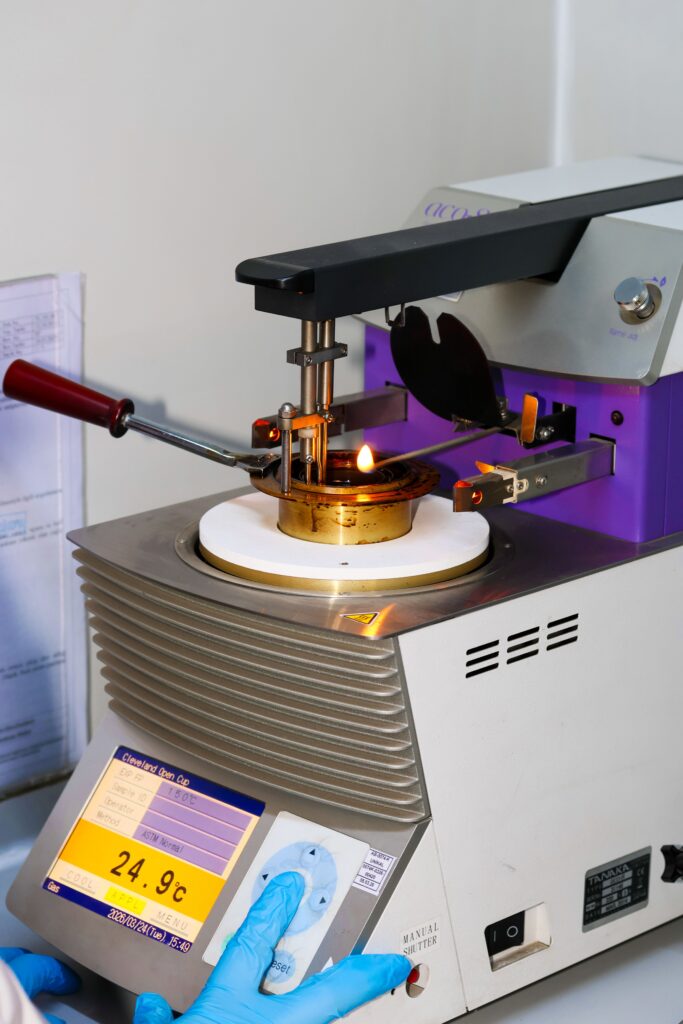
The actual lab test, called the Wijs method, involves dissolving a small oil sample and reacting it with an iodine monochloride solution, then measuring how much iodine remains unreacted afterward. The difference tells chemists how much iodine was absorbed by the double bonds in the fat. It’s a standard test used across the food, cosmetics, and industrial oil industries, and most commercial oil suppliers can provide this figure on a certificate of analysis if you ever need it for a specific application.
Why Iodine Value Matters for Cooking and Storage
This is where the number becomes genuinely useful for a home cook, even without a chemistry background. Oils with a higher iodine value have more double bonds, and those double bonds are the exact spots where oxygen attacks a fat molecule during oxidation, the process that makes oil turn rancid. Practically speaking, that means highly unsaturated oils with a high iodine value tend to spoil faster once opened, while oils with a lower iodine value, more saturated fats, tend to be more stable and shelf-stable for longer.
High Iodine Value Oils and Faster Rancidity
This is part of why unrefined coconut oil, which has a notably low iodine value due to being highly saturated, can sit in a cabinet for well over a year without going bad, something we mention in our coconut oil guide. Compare that to flaxseed or safflower oil, both very high in iodine value, which can turn rancid within just a few months of opening even when stored properly.
Iodine Value Chart for Common Oils
- Coconut oil: ~7–10 (highly saturated, very stable)
- Palm oil: ~50–55
- Olive oil: ~80–88
- Peanut (groundnut) oil: ~86–103
- Sesame oil: ~103–116
- Corn oil: ~103–128
- Sunflower oil: ~110–143
- Soybean oil: ~120–143
- Flaxseed oil: ~168–204 (extremely unsaturated, very unstable)
Notice a pattern here: oils we’ve recommended for stability and longer shelf life, like coconut oil and olive oil, sit toward the lower end, while the oils we’ve flagged as needing extra care in storage, or as candidates worth limiting in our guide to oils to avoid, tend to sit higher up the scale.
Iodine Value and Soap Making
Outside the kitchen, iodine value is a genuinely important number for soap makers, since it helps predict how hard or soft a finished bar of soap will be. Oils with a low iodine value, like coconut and palm oil, produce a harder, longer-lasting bar, while oils with a high iodine value, like olive or sunflower oil, contribute more conditioning properties but can make a softer bar if used in excess. This is one of the more practical, non-food reasons the number gets discussed so often outside strictly nutritional contexts.
Iodine Value vs Smoke Point: Not the Same Thing
It’s easy to confuse iodine value with smoke point since both are technical numbers attached to oils, but they measure completely different things. Smoke point is about how much heat an oil can take before it starts to break down and smoke, which matters for choosing an oil for frying or baking, something we cover in our complete guide to the best oil for frying, cooking, and baking. Iodine value, on the other hand, is about the oil’s chemical stability over time in storage, not its behavior in a hot pan. An oil can have a high smoke point and still have a high iodine value, meaning it handles heat well in the moment but oxidizes relatively quickly once opened and exposed to air.
Practical Takeaways for Home Cooks
You don’t need to memorize exact iodine values to shop smarter, just remember the general rule: more saturated oils (lower iodine value) last longer on the shelf, while more unsaturated oils (higher iodine value) are more prone to rancidity and benefit from being stored in a cool, dark place and used up more quickly after opening. If you’ve ever wondered why a bottle of flaxseed oil says to refrigerate after opening while a bottle of coconut oil doesn’t, this is exactly why. Buying smaller bottles of highly unsaturated oils that you’ll use up quickly, and being a little more relaxed about larger bottles of coconut or olive oil, is a simple way to put this concept into practice without overthinking it.
Why Manufacturers Care About Iodine Value
Beyond the kitchen and the soap-making bench, iodine value shows up in industrial contexts too. Oils used in paints, varnishes, and certain lubricants are chosen partly based on their iodine value, since highly unsaturated “drying oils” like linseed oil actually harden into a solid film when exposed to air, which is exactly why linseed oil shows up in traditional wood finishes and oil paints. That same reactivity that makes an oil great for a wood finish is the same property that makes it a poor choice for long-term food storage, which is a good example of how one chemical property can be a benefit or a drawback entirely depending on what you’re using the oil for.
A Simple Way to Remember the Concept
If you only take one thing away from all this, let it be this rough mental shortcut: the more solid an oil is at room temperature, the lower its iodine value tends to be, and the longer it generally lasts once opened. Coconut oil and palm oil are solid or semi-solid at cool room temperature and have low iodine values. Olive oil is liquid but still fairly stable, sitting in the middle of the range. Flaxseed and safflower oil are always liquid, even in the fridge, and sit at the high end, more unsaturated, more prone to oxidizing, and best bought in small quantities you’ll use up quickly.
Frequently Asked Questions
Is a higher iodine value better or worse for health?
Neither, iodine value is a measure of chemical stability, not nutritional quality. Highly unsaturated oils with a high iodine value can still be nutritionally beneficial, they just require more careful storage to avoid rancidity.
Does iodine value have anything to do with dietary iodine intake?
No, despite the shared name, iodine value has nothing to do with the mineral iodine you get from food. It’s purely a chemistry measurement of unsaturation in the fat itself.
Why does coconut oil have such a low iodine value?
Coconut oil is unusually high in saturated fat compared to most plant oils, which means it has very few double bonds. Fewer double bonds mean a lower iodine value and a more shelf-stable oil.