
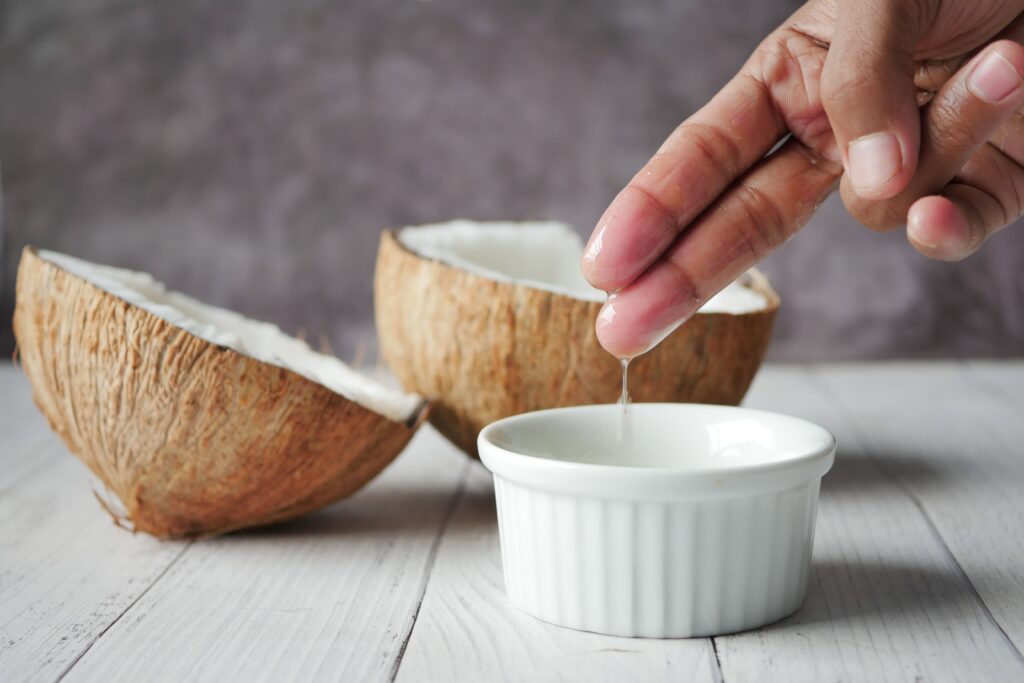
If you’ve ever stood in the cooking oil aisle wondering why a jar of coconut oil costs three times more than the one next to it, you’re not alone. The answer usually comes down to one word: unrefined. Unrefined coconut oil, sometimes labeled “virgin” or “cold-pressed,” goes through minimal processing, and that changes almost everything about how it tastes, smells, and even how it affects your body.
What Makes Unrefined Coconut Oil Different
Refined coconut oil is deodorized and bleached, usually with heat, sometimes with chemical solvents, which strips away the natural coconut aroma along with a portion of its antioxidants. Unrefined coconut oil skips most of that. It’s typically extracted from fresh coconut meat using a wet-milling or cold-press method, so the final product keeps its coconut smell, a slightly nutty flavor, and more of the plant compounds that get lost during refining. Think of it as the difference between fresh-squeezed orange juice and the shelf-stable version, both are technically orange juice, but the processing changes the character quite a bit. If you want a deeper breakdown of how the two compare side by side, our guide on refined vs unrefined coconut oil walks through the processing differences in detail.
Top Health Benefits of Unrefined Coconut Oil
Unrefined coconut oil isn’t just something food bloggers picked up as a trend a few years back. There’s real substance behind why people keep reaching for it, even at a higher price point than regular vegetable oil.
Rich in Medium-Chain Triglycerides (MCTs)
About half the fat in coconut oil comes from lauric acid, a medium-chain fatty acid that your body metabolizes differently than the long-chain fats found in most vegetable oils like soybean or corn oil. MCTs are absorbed quickly and sent straight to the liver, where they can be used for energy rather than stored as fat the way long-chain fats often are. That’s part of why coconut oil shows up so often in keto and low-carb cooking circles, and why some people add a spoonful to their morning coffee for a quick energy boost instead of a second cup.
Supports Skin and Hair Health
This is the benefit most people discover first, usually by accident. My aunt started rubbing a spoonful of unrefined coconut oil into her elbows and heels during winter after her dermatologist mentioned it as a cheap alternative to petroleum-based moisturizers, and she hasn’t gone back to her old lotion since. The fatty acids in unrefined coconut oil help lock moisture into the skin, and the same properties make it a popular pre-shampoo treatment for dry or frizzy hair. It’s not a miracle cure, and people with acne-prone skin should patch test first since coconut oil is comedogenic for some, but for dry skin and damaged hair ends, it’s hard to beat the price-to-performance ratio.
May Support Heart Health When Used in Moderation
This one comes with a caveat. Coconut oil is still highly saturated, more so than butter, so it’s not something nutritionists recommend pouring on everything. That said, some research suggests that the type of saturated fat in coconut oil can raise HDL (“good”) cholesterol alongside LDL, which is a different pattern than what you’d see with, say, deep-fried fast food. The key word is moderation. A tablespoon here and there in a balanced diet is a very different story than replacing all your cooking fats with it.
Natural Antimicrobial Properties
Lauric acid converts in the body to monolaurin, a compound with documented antibacterial and antiviral activity in lab studies. This is one reason unrefined coconut oil has such a long history in traditional medicine across South and Southeast Asia, where it’s been used for everything from wound care to oral hygiene practices like oil pulling.
Cooking With Unrefined Coconut Oil
Here’s where a lot of people get tripped up. Unrefined coconut oil has a lower smoke point than refined coconut oil, generally sitting around 350°F (177°C), so it’s not the oil you want for searing a steak or deep-frying a batch of fries. Where it really shines is in baking, sauteing at low to medium heat, and any recipe where you actually want that faint coconut flavor to come through, think curries, oatmeal, granola bars, or popcorn popped in a pot instead of the microwave. I started swapping it into my morning oatmeal instead of butter, and the flavor difference is noticeable, in a good way, without tasting like a pina colada. It’s also worth keeping a jar near the stove for roasting vegetables like sweet potatoes or cauliflower, the natural sweetness of the oil pairs surprisingly well with root vegetables. If you’re curious how it stacks up against other oils in your pantry for cooking versus skincare use, we’ve broken that down separately too.
A Quick Comparison: Unrefined Coconut Oil vs Other Kitchen Staples
It helps to see unrefined coconut oil next to the oils already sitting in most kitchens. Olive oil has a similar smoke point range and is the better pick for salad dressings since coconut oil solidifies at room temperature below about 76°F (24°C). Canola and other vegetable oils have a much higher smoke point and a neutral taste, which makes them more versatile for high-heat frying, but they don’t bring the same MCT content or antimicrobial compounds to the table. None of this makes coconut oil “better” or “worse” than the others, it just has a specific lane where it performs best, and knowing that lane saves you from a lot of kitchen disappointments.
How to Choose a Good Quality Unrefined Coconut Oil
- Look for labels that say “virgin,” “extra virgin,” or “cold-pressed” rather than just “coconut oil,” which is often refined by default.
- Check that it’s packaged in glass or a tin rather than clear plastic, since prolonged light exposure can degrade oil quality over time.
- A slightly off-white, faintly cloudy appearance when solid is normal; a bright white color and oddly uniform texture can be a sign of heavier processing.
- Organic certification isn’t mandatory, but it does lower the chance of pesticide residue from conventionally farmed coconuts.
- Give it a smell test before buying if you can. A fresh, mild coconut aroma is a good sign; anything sour or overly plasticky suggests it’s been sitting too long or stored poorly.
Possible Downsides to Keep in Mind
No single oil is perfect for every situation, and unrefined coconut oil is no exception. It solidifies below about 76°F (24°C), so it’s not ideal as a salad dressing base unless you like your dressing to firm up in the fridge. Our comparison of olive oil, peanut oil, and canola oil is a good starting point if you’re trying to figure out which oil fits which use case in your own kitchen. The taste, while pleasant to many, can also clash with dishes where you don’t want a coconut background note, like a delicate cream sauce or a subtle vinaigrette. And because it’s calorie-dense like all fats, roughly 120 calories per tablespoon, portion control still matters even though it’s “natural.”
Frequently Asked Questions
Is unrefined coconut oil healthier than refined coconut oil?
Unrefined coconut oil retains more antioxidants and its natural flavor, while refined coconut oil is more neutral-tasting and has a higher smoke point. Neither is inherently unhealthy, they’re simply suited to different purposes in the kitchen.
Can I use unrefined coconut oil every day?
Using it in small amounts as part of a varied diet is generally fine for most people. Problems tend to arise only when any single saturated fat source replaces most of the other fats in your diet, so balance is the main thing to keep in mind.
Does unrefined coconut oil go bad?
Yes, though it has a longer shelf life than many oils, often 18 to 24 months unopened. Store it in a cool, dark place, and if it starts smelling sour or rancid rather than lightly coconutty, it’s time to toss it.
Pingback: Oils to Avoid: High Omega-6 & Trans Fats Explained -
Pingback: Best Olive Oil for Salad Dressings -
Pingback: Iodine Value of Oils – What It Means and Why It Matters -
Pingback: Best Oil for Frying, Cooking, and Baking – Complete Guide - EdibleOilExpert