
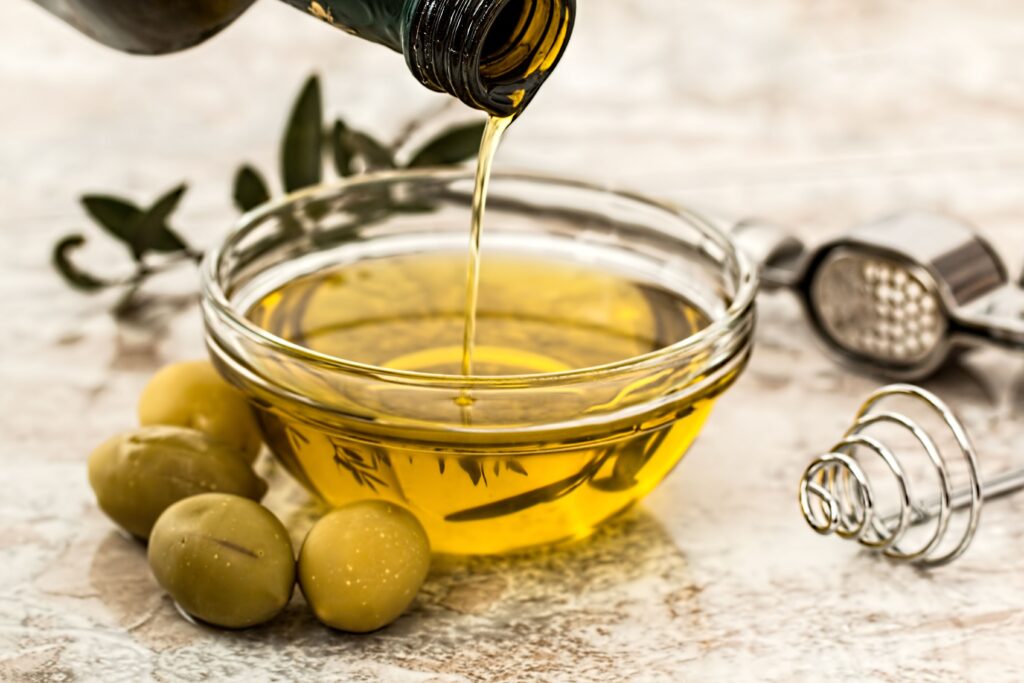
A good vinaigrette lives or dies on the olive oil you pour into it. Unlike cooking, where high heat masks a lot of flaws, a salad dressing puts raw olive oil front and center, so any bitterness, rancidity, or blandness shows up immediately on your tongue. If you’ve ever wondered why the same recipe tastes incredible at a friend’s house and flat at yours, the answer is very often the bottle of olive oil sitting in the pantry.
What Makes an Olive Oil Good for Dressings
For raw applications like salad dressings, you want an olive oil with real flavor, not just a neutral fat to carry the vinegar and seasoning. Good dressing oil typically has a noticeable fruitiness, a bit of grassy or herbal character, and often a peppery finish that catches in the back of your throat. That peppery bite actually comes from oleocanthal, a natural compound in fresh olive oil that also has anti-inflammatory properties similar to ibuprofen in small amounts. If your olive oil tastes like nothing at all, it’s either been sitting too long, was processed heavily, or was never that fresh to begin with.
Extra Virgin vs Regular Olive Oil: Does It Matter for Dressings?
Yes, and it matters more here than almost anywhere else in the kitchen. Extra virgin olive oil (EVOO) is extracted mechanically without heat or chemicals, which preserves the antioxidants and flavor compounds that make it worth using raw. “Regular” or “light” olive oil is refined, meaning it’s been processed to remove flavor and odor, then sometimes blended back with a small amount of virgin oil. That refining process is exactly why it works fine for high-heat cooking but falls flat in a dressing, there’s simply nothing left to taste.
Reading the Label Without Getting Fooled
The olive oil aisle is full of marketing language that doesn’t mean much legally. “Pure,” “light,” and “classic” are not protected terms and generally indicate a refined oil. Look instead for “extra virgin” specifically, ideally with a harvest date rather than just a “best by” date, since olive oil is a fresh juice at heart and starts declining within a year or two of pressing. A dark glass bottle or tin is also a good sign, since light exposure breaks down the good compounds faster than almost anything else. Third-party certifications like the California Olive Oil Council seal or a specific country-of-origin label (rather than a vague “product of Italy” on an oil actually bottled from a blend of several countries) are both worth looking for if you want to avoid the more diluted supermarket blends.
Best Styles of Olive Oil for Different Dressings
Robust, Peppery EVOO for Bold Vinaigrettes
If you’re making a dressing with strong partners, think mustard, balsamic, garlic, or anchovy, reach for a robust, peppery Tuscan or Greek-style extra virgin olive oil. These oils, often pressed from Coratina, Frantoio, or Koroneiki olives, can stand up to assertive flavors without disappearing. I keep a bottle of a peppery Greek EVOO specifically for a lemon-mustard vinaigrette I make almost weekly, and a milder oil just gets lost in it.
Mild, Delicate EVOO for Lighter Dressings
For a simple dressing over delicate greens, herbs, or a citrus vinaigrette, a milder EVOO, often from Arbequina olives grown in Spain or California, works better since it won’t compete with subtler ingredients. This is the oil to use when the dressing itself is meant to be a quiet supporting act rather than the star of the salad.
How to Store Olive Oil So It Doesn’t Go Rancid
Heat, light, and air are the three things that ruin olive oil fastest. Keep the bottle away from the stove (a shockingly common mistake, since that’s exactly where most people store it) and out of direct sunlight, ideally in a cabinet rather than on an open counter. Buy a size you’ll actually finish within two or three months of opening rather than a giant tin that sits half-used for a year. If you taste an oil that reminds you of crayons or old walnuts, that’s rancidity, and it’s a sign to toss the bottle rather than push through it, since rancid fats aren’t doing your health any favors either. For context on other oils that behave very differently in storage, our piece on unrefined coconut oil is worth a look, since coconut oil solidifies at cool room temperature while olive oil stays liquid, which actually makes olive oil the more practical choice for a fridge-stored dressing.
A Simple Vinaigrette Formula That Actually Works
The classic ratio is three parts oil to one part acid, but I’ve found most homemade vinaigrettes taste better closer to two and a half to one, especially with a sharper vinegar like red wine or sherry vinegar. Whisk one tablespoon of Dijon mustard into two tablespoons of vinegar first, then slowly stream in about a quarter cup of good extra virgin olive oil while whisking continuously, this is what actually creates a stable emulsion rather than a dressing that separates the moment it hits the salad. A pinch of salt, a small pressed garlic clove, and a touch of honey round it out. Taste as you go since acidity varies a lot between vinegar brands.
Mistakes People Make With Olive Oil Dressings
The most common mistake is reaching for whatever cheap bottle is on sale and expecting it to taste like the good stuff at a restaurant, when in reality a lot of budget “extra virgin” olive oil sold in supermarkets has been found in independent testing to be cut with refined oils or oils from other seeds entirely. If you’ve read our article on oils to avoid, you already know how common it is for cheaper oils to hide behind a vague label. The second mistake is buying a huge bottle because it’s cheaper per ounce, then letting it oxidize on the shelf for eight months, at which point you’ve saved money on an oil that no longer tastes like much of anything.
Frequently Asked Questions
Can I use the same olive oil for cooking and salad dressings?
You can, but you’ll get better results using a robust extra virgin oil for dressings and saving a milder or refined olive oil for higher heat cooking where flavor matters less and smoke point matters more.
How do I know if my olive oil has gone bad?
Rancid olive oil often smells or tastes like crayons, old nuts, or putty rather than fresh and fruity. If it tastes flat or slightly sour instead of grassy and peppery, it’s past its prime even if it’s not technically dangerous to eat.
Is a more expensive olive oil always better for dressings?
Not always, price is a decent hint at quality but not a guarantee. Freshness, harvest date, and how the oil was stored before it reached your kitchen matter more than the price tag alone.
Pingback: Groundnut (Peanut) Oil: Benefits and Uses - EdibleOilExpert
Pingback: Top Seed Oil Alternatives You Should Try - EdibleOilExpert
Pingback: Best Oil for Frying, Cooking, and Baking – Complete Guide - EdibleOilExpert