
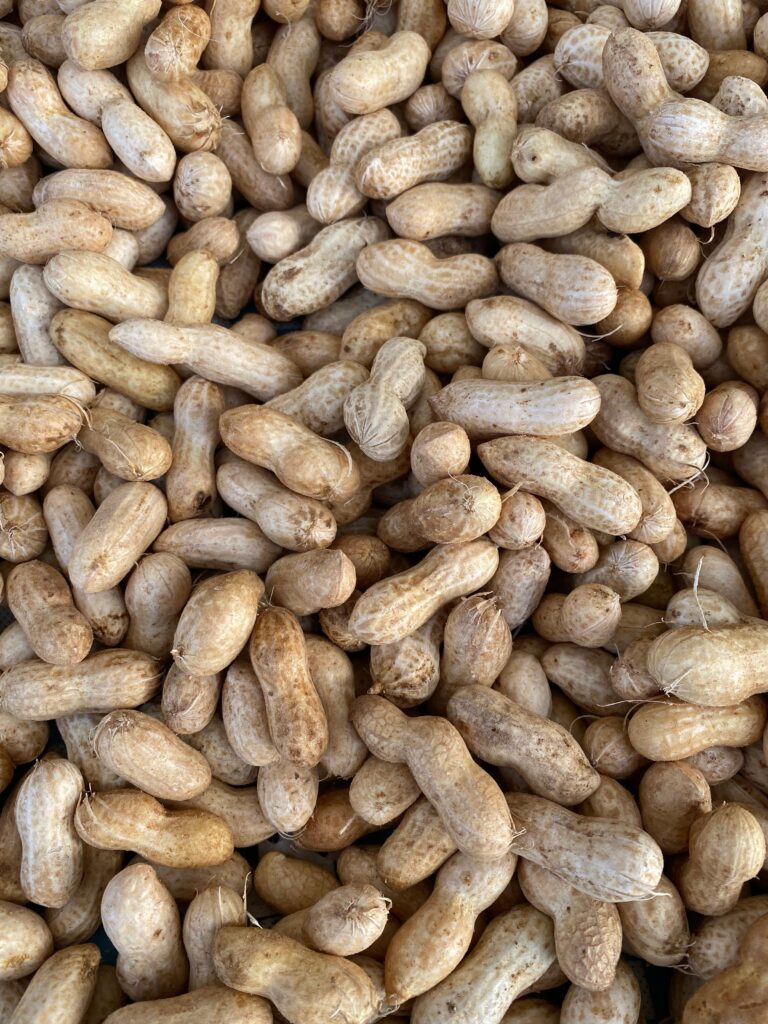
Groundnut oil doesn’t get nearly the attention that olive oil or coconut oil gets in Western kitchens, but walk through most of India, West Africa, or Southeast Asia and it’s often the default oil sitting on the stove. Pressed from peanuts, groundnut oil brings a high smoke point, a mild nutty flavor, and a fat profile that holds up surprisingly well compared to more trendy oils. If you’ve only ever used it for the occasional stir-fry, there’s a lot more it can do.
What Is Groundnut Oil, Exactly
Groundnut oil and peanut oil are the same thing, just different regional names for oil extracted from peanuts (which, despite the name, are legumes rather than tree nuts). It comes in a few forms: refined groundnut oil, which is neutral in flavor and color, and unrefined or cold-pressed groundnut oil, which keeps a deeper golden color and a distinctly nutty, roasted aroma. In parts of India this cold-pressed version is often called “wood-pressed” or “kachi ghani” oil, referring to the traditional stone or wood mill extraction method that avoids high heat during processing.
Health Benefits of Groundnut Oil
A Reasonably Heart-Friendly Fat Profile
Groundnut oil is roughly half monounsaturated fat, similar in that respect to olive oil, with the rest split between polyunsaturated and saturated fat. Monounsaturated fats are generally associated with better cholesterol markers when they replace saturated fat in the diet, which is part of why groundnut oil has such a long history of everyday use in cuisines that also tend to have lower rates of certain cardiovascular issues. It’s not a miracle food, but as an everyday cooking fat it’s a reasonably solid choice compared to some of the heavily processed oils we covered in our guide on oils to avoid.
Vitamin E and Natural Antioxidants
Groundnut oil is a decent source of vitamin E, a fat-soluble antioxidant that helps protect cells from oxidative damage. Unrefined versions retain more of this vitamin E along with other plant compounds that get stripped out during heavy refining, which is one reason people who cook with it regularly often reach for the cold-pressed version specifically, even though it costs a bit more.
Why Chefs and Home Cooks Love Its High Smoke Point
Refined groundnut oil has a smoke point around 450°F (232°C), which puts it right up there with avocado oil as one of the better choices for deep frying, wok cooking, and high-heat searing. This is a big part of why it shows up so often in Indian and Southeast Asian frying, from samosas to tempura-style batters, the oil can handle sustained high heat without breaking down or turning bitter the way lower smoke point oils do. My grandmother used to keep a large tin of groundnut oil specifically for Diwali frying, reusing it carefully across several batches of snacks because it held up so well without smoking up the kitchen.
Refined vs Cold-Pressed Groundnut Oil
Refined groundnut oil is what you’ll usually find in large plastic bottles at most grocery stores. It’s been deodorized and cleaned up, so it works well as an all-purpose neutral frying oil, similar in role to how canola or vegetable oil gets used. Cold-pressed or wood-pressed groundnut oil is a different experience entirely, with a stronger roasted peanut aroma that comes through in the finished dish. This makes it a better fit for recipes where you actually want that flavor to show, like certain South Indian curries, peanut chutneys, or simple sautéed vegetables where the oil itself is part of the flavor rather than just a cooking medium.
Practical Uses in the Kitchen
Beyond frying, groundnut oil works well in stir-fries because of how quickly it heats and how well it handles a hot wok without smoking. It’s also a common base for peanut-forward sauces, think a Thai-style peanut sauce or an Indonesian satay marinade, where using groundnut oil alongside actual peanuts reinforces the flavor instead of fighting against it. For baking, refined groundnut oil’s neutral taste makes it a workable substitute for vegetable oil in most cake and muffin recipes at a roughly one-to-one ratio. If you’re comparing it against other high smoke point options for your own kitchen, our piece on olive oil covers why that particular oil isn’t the right choice for high-heat frying, which is exactly the gap groundnut oil fills nicely.
A Word on Peanut Allergies
This is the one caveat that matters more than anything else about groundnut oil: peanut allergies are common and can be severe. Highly refined groundnut oil has most of the allergenic proteins removed during processing, and many allergists consider it low risk for most people with peanut allergies, but this is genuinely a conversation to have with a doctor rather than something to assume based on an article online. Cold-pressed or unrefined groundnut oil retains more protein and is a different risk category altogether, so if anyone in your household has a peanut allergy, it’s worth being cautious and checking labels carefully, especially at restaurants that may use groundnut oil as their standard frying oil without mentioning it on the menu.
How to Store and Choose Good Groundnut Oil
Keep groundnut oil in a cool, dark cabinet away from the stove, much like any other cooking oil, since heat and light both speed up rancidity. Refined groundnut oil has a fairly long shelf life, often a year or more unopened, while cold-pressed versions are best used within several months of opening since they retain more compounds that can oxidize over time. When buying, check for a harvest or pressing date on cold-pressed bottles if you can find it, and store the bottle tightly sealed. A rancid, sharp, or overly bitter smell is the sign to toss a bottle rather than push through it.
Frequently Asked Questions
Is groundnut oil the same as peanut oil?
Yes, groundnut oil and peanut oil refer to the same product. “Groundnut” is the more common term in British English, India, and parts of Africa, while “peanut oil” is the standard term in the United States.
Is groundnut oil safe for people with peanut allergies?
Highly refined groundnut oil has most allergenic proteins removed and is often considered lower risk, but cold-pressed versions retain more protein. Anyone with a peanut allergy should check with a doctor before using either type.
Can I use groundnut oil for deep frying?
Yes, refined groundnut oil has a high smoke point around 450°F (232°C), making it one of the better choices for deep frying and other high-heat cooking methods.
Pingback: Best Oil for Frying, Cooking, and Baking – Complete Guide -
Pingback: Top Seed Oil Alternatives You Should Try - EdibleOilExpert